
A rebrand involves much more than introducing a new logo or updating your website. It is an opportunity to think carefully about how your organisation looks, communicates and behaves, and how that new identity will be experienced by employees, customers, prospects and stakeholders across every interaction they have with you.
With so many moving parts, it can be easy for practical considerations to be missed, particularly when different teams, locations, suppliers and physical brand touchpoints are involved.
So, to help you get everything in the right place at the right time, we’ve put together a practical rebrand checklist covering the things worth thinking about at each stage, from your initial planning and existing brand touchpoints through to merchandise, logistics, launch and what happens afterwards.
You may not need everything on the list, and every rebrand will have its own priorities, but working through these areas early can help you spot potential gaps, involve the right people and make important decisions while you still have plenty of time and options available.
Download our rebrand checklist
1. Define The Purpose Of Your Rebrand
Before thinking about individual assets, products or launch activity, make sure there is a shared understanding of why the organisation is rebranding and what needs to change as a result.
- Define the objectives behind the rebrand
- Agree what is changing and what is staying the same
- Identify the audiences the new brand needs to reach
- Consider how you want employees, customers and stakeholders to experience the new brand
- Establish your overall budget and where investment will be required
- Agree key dates, including internal rollout and external launch
- Identify the people responsible for key decisions and approvals
- Decide how the success of the rebrand will be measured

2. Identify Everyone Who Needs To Be Involved
Marketing may be leading the rebrand, but the impact of a new identity usually reaches much further across an organisation, so involving other teams early can uncover requirements that might otherwise appear much closer to launch.
- Identify the departments affected by the rebrand
- Speak to HR about onboarding, employee communications and engagement
- Speak to Internal Communications about the employee rollout
- Involve Facilities where signage, buildings, workwear or physical environments are affected
- Speak to Events teams about upcoming exhibitions, conferences and activations
- Consider Health and Safety requirements where branded workwear or equipment is involved
- Involve CSR or sustainability teams where sourcing and environmental commitments need to be considered
- Identify requirements from regional offices, branches or multiple sites
- Confirm who will manage ongoing brand and merchandise requirements after launch
3. Audit Your Existing Brand Touchpoints
Once you know who needs to be involved, look at everywhere your existing brand currently appears. The obvious assets are usually identified quickly, but smaller physical touchpoints can easily be overlooked.
- Website and digital platforms
- Social media profiles and assets
- Email signatures and templates
- Presentations and sales materials
- Printed marketing collateral
- Internal documents and communications
- Office and building signage
- Exhibition and event materials
- Employee uniforms and workwear
- Name badges and lanyards
- Stationery and office products
- Onboarding and welcome packs
- Customer and stakeholder gifts
- Promotional merchandise
- Packaging and delivery materials
- Existing online ordering portals or merchandise stores
For each touchpoint, decide whether it needs to be replaced immediately, can be phased out over time or can continue to be used without negatively affecting the new brand.
4. Review Existing Branded Stock
Before ordering anything new, understand what you already have. Existing merchandise, printed materials and workwear can represent a significant investment, and deciding how to manage them early gives you more options than discovering excess stock shortly before launch.
- Identify all existing branded stock
- Record quantities and where stock is currently held
- Identify products that will become obsolete
- Decide whether existing stock can be used before launch
- Consider whether any items can continue to be used during a transition period
- Identify opportunities to repurpose or responsibly dispose of redundant stock
- Factor remaining stock into your purchasing plans for the new brand
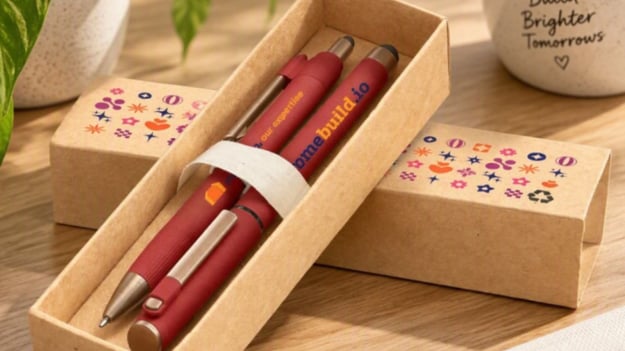
5. Plan Your New Branded Merchandise
With your objectives, audiences and existing stock understood, you can start thinking about what merchandise will genuinely support the new brand rather than simply replacing every existing item with a new logo.
- Identify which audiences need branded merchandise
- Define what you want merchandise to achieve for each audience
- Consider employee launch and engagement requirements
- Plan new starter and onboarding merchandise
- Identify customer and stakeholder requirements
- Review upcoming campaigns and events
- Consider requirements for different departments, branches or locations
- Establish quantities and budgets
- Review product quality and suitability
- Consider sustainability, ethical sourcing and product lifespan
- Agree branding methods, colours and positioning
- Request samples where appropriate
- Build sufficient time into the plan for sourcing, artwork approval and production
6. Create Clear Brand And Artwork Controls
Once different people across the organisation begin ordering or using merchandise, maintaining consistency becomes increasingly important. Agreeing what is approved before launch can reduce repeated decision-making later and give teams greater confidence when ordering.
- Finalise brand guidelines before production begins
- Confirm approved logos, colours and artwork files
- Agree how the brand should appear on different products and materials
- Create pre-approved artwork where products will be reordered regularly
- Establish an approved core merchandise range if appropriate
- Decide who can approve new products or designs
- Create a clear process for exceptions or bespoke requirements
- Make approved assets easily accessible to the people who need them
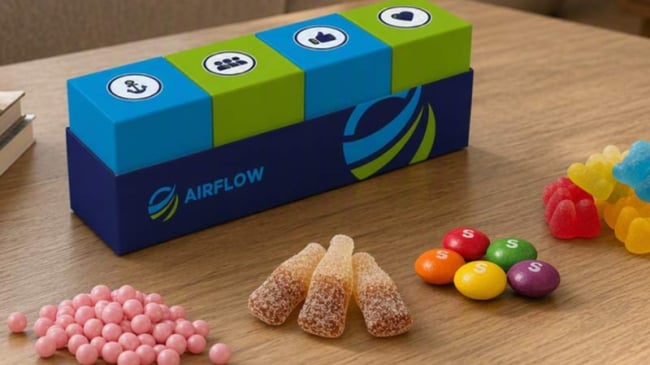
7. Plan How Merchandise Will Be Stored And Distributed
If your organisation has multiple offices, departments, branches or remote employees, deciding where products will go is only part of the challenge. You also need to consider where stock will be held, who will manage it and how individual requirements will be fulfilled.
- Identify every location requiring merchandise
- Confirm quantities required by each site or team
- Decide whether merchandise will be delivered in bulk or individually
- Consider requirements for remote and home-based employees
- Decide where ongoing stock will be stored
- Establish who will monitor stock levels
- Consider whether external stockholding and fulfilment would reduce internal administration
- Plan how orders and deliveries will be tracked
- Build delivery requirements and timescales into the launch plan
- Allow contingency time for unexpected requirements
8. Decide How Teams Will Order After Launch
A rebrand does not end on launch day, and considering ongoing requirements now can prevent your central marketing team becoming responsible for every individual merchandise request in the future.
- Identify which products will need to be reordered regularly
- Decide who should be able to place orders
- Agree appropriate spending or ordering permissions
- Decide which requests need central approval
- Consider whether an online merchandise shop would simplify ordering
- Create pre-approved ranges to maintain brand consistency
- Consider different permission levels for departments, locations or users
- Decide how stock availability and orders will be monitored
Make sure regional teams and sites can access what they need without unnecessary administration

9. Prepare For Launch
As launch day approaches, bring the different parts of the plan together and check that products, people, locations and communications are aligned.
- Confirm final artwork approvals
- Confirm production and delivery dates
- Check quantities against final requirements
- Confirm delivery addresses and contacts
- Coordinate merchandise with internal and external launch activity
- Brief departments, branches and locations on what is changing
- Communicate how employees can access or order new merchandise
- Confirm when old branded materials should stop being used
- Track deliveries and resolve outstanding requirements
- Keep contingency stock available where appropriate
10. Plan For Life After The Rebrand
Once the initial launch is complete, take the opportunity to review what worked and make sure the systems you have put in place continue to support the organisation.
- Review stock levels after the initial rollout
- Gather feedback from teams and locations
- Identify products that are being used and reordered
- Review products that have not performed as expected
- Check that old branding has been removed from overlooked touchpoints
- Monitor consistency across departments and locations
Review ordering permissions and processes
- Plan for future starters, campaigns, events and seasonal requirements
- Review your merchandise range periodically rather than allowing it to grow unnecessarily
- Keep your merchandise partner informed about future plans so requirements can be anticipated rather than rushed
Make Merchandise Part Of Your Rebrand Plan
There is a lot to think about during a rebrand, which is exactly why merchandise, stock and distribution are worth considering before you reach the final stages of the project.
At Pellacraft, we work with organisations to understand the bigger picture before recommending what they need, helping you consider existing stock, new merchandise, sustainability, production timescales, multiple locations and the practicalities of getting everything where it needs to be.
We can also help you think beyond launch day, with stockholding and fulfilment, pre-approved merchandise ranges and tailored online shops that can be configured around the way your organisation operates, including different products and permission levels for different users, teams or locations.
You do not need to have all the answers before you speak to us. Involving us early gives us the opportunity to understand what you are trying to achieve, identify potential challenges and help you build a practical merchandise plan around your rebrand.
Planning A Rebrand? Talk To Pellacraft About Your Merchandise Strategy.
Download our rebrand checklist →


SUBMIT YOUR COMMENT